Wisdom Tooth Removal: When Is Extraction Necessary?
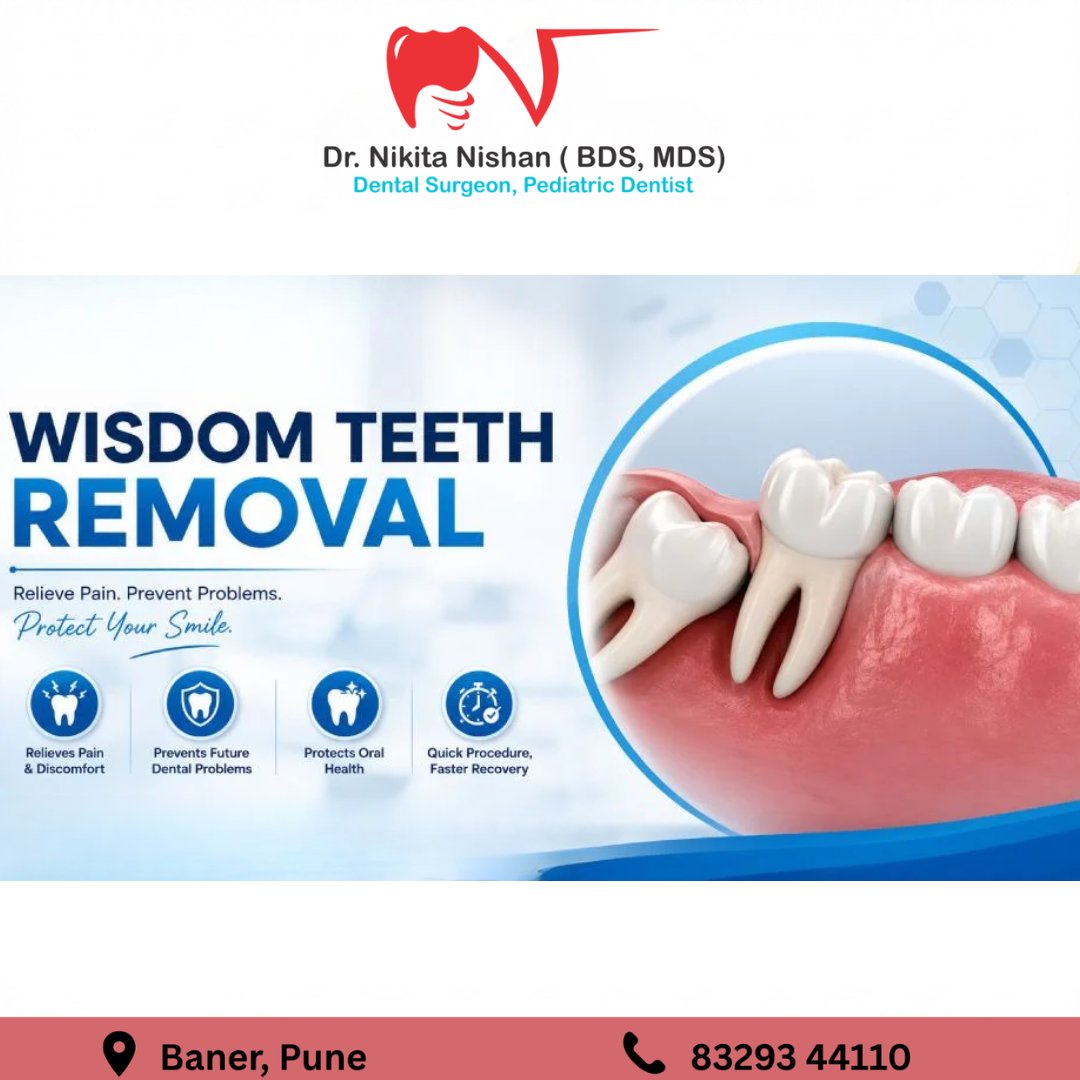
Wisdom teeth are the last permanent teeth to develop at the back of the mouth. While some grow normally without creating problems, others may become painful, partially erupted, or trapped beneath the gums. A Dentist in Baner can examine recurring wisdom tooth pain and determine whether the tooth needs monitoring, treatment, or removal. Understanding the early signs can help prevent repeated discomfort and problems with nearby teeth.
Why Do Wisdom Teeth Sometimes Cause Problems?
Wisdom teeth usually appear during the late teenage years or early adulthood. By this stage, there may not be enough room at the back of the jaw for another set of molars.
Limited space can cause a wisdom tooth to grow at an angle, remain partly covered by gum tissue, or stay completely beneath the gum. This is known as an impacted wisdom tooth.
Problems can also occur when a wisdom tooth has erupted normally but is difficult to reach with a toothbrush. Plaque and food can collect around the tooth, increasing the chance of decay and gum inflammation.
Signs Your Wisdom Tooth May Need Attention
Wisdom tooth trouble does not always begin with severe pain. Some symptoms are mild at first and gradually become more noticeable.
Common signs include:
Pain behind the last molar
Swollen or tender gums
Redness around the wisdom tooth
Pain while chewing
Jaw discomfort
Difficulty opening the mouth
Food getting trapped around the tooth
Persistent bad breath
Unpleasant taste in the mouth
Swelling around the cheek or jaw
Pain that disappears for a few days and then returns should also be checked. Temporary relief does not necessarily mean the underlying problem has resolved.
What Is an Impacted Wisdom Tooth?
An impacted wisdom tooth is one that cannot fully emerge into its normal position.
The tooth may be completely trapped beneath the gum or only partly visible. Some impacted wisdom teeth grow towards the neighbouring molar, while others remain tilted within the jaw.
An impacted tooth does not automatically require extraction. Some remain symptom-free without causing detectable problems. Regular dental examinations can help monitor these teeth.
Removal becomes more likely when the tooth causes repeated symptoms or begins affecting surrounding tissues.
Why Can Partially Erupted Wisdom Teeth Become Infected?
When only part of a wisdom tooth emerges, a small flap of gum may remain around it. Food and bacteria can become trapped underneath this tissue.
Because the area is located so far back in the mouth, keeping it clean can be difficult.
Inflammation around a partially erupted wisdom tooth is known as pericoronitis. It may cause pain, gum swelling, bad breath, an unpleasant taste, and difficulty chewing.
A Dental Clinic in Baner can assess whether these symptoms are caused by temporary inflammation, infection, decay, or the position of the tooth.
When Is Wisdom Tooth Removal Recommended?
Not every wisdom tooth needs extraction. The decision should be based on the condition of the individual tooth.
Removal may be considered when there is:
Repeated Pain or Infection
A wisdom tooth that repeatedly becomes painful or causes gum infection may need removal when the underlying problem cannot be managed effectively in another way.
Significant Tooth Decay
Wisdom teeth are difficult to clean because of their position. When extensive decay develops and restoring the tooth is not appropriate, extraction may be considered.
Damage to the Neighbouring Tooth
An angled wisdom tooth can create a narrow space against the second molar where food and plaque collect. This may contribute to decay or gum problems around the neighbouring tooth.
Certain Cysts or Tissue Changes
Some impacted wisdom teeth can be associated with cysts or other changes in the surrounding tissues. Appropriate assessment and treatment are needed when such problems are identified.
How Does a Dentist Decide Whether Extraction Is Needed?
The decision is not made based on pain alone.
A Dentist in Baner may examine the gums, tooth position, neighbouring teeth, areas of food trapping, decay, swelling, and jaw movement.
Dental imaging may also be recommended.
An X-ray can provide information about:
Direction of tooth growth
Depth of impaction
Root position
Surrounding bone
Nearby teeth
Other important structures around the tooth
These details help determine whether monitoring or extraction is more appropriate.
What Happens During Wisdom Tooth Removal?
The procedure depends on how the wisdom tooth is positioned.
A tooth that has completely erupted may sometimes be removed through a relatively straightforward extraction. An impacted tooth may require a surgical approach.
Local anaesthesia is generally used to numb the treatment area. When necessary, the dentist or oral surgeon may access the tooth through the gum. In certain cases, the tooth may be divided into smaller sections to assist removal.
The exact procedure should be explained before treatment begins.
What Should You Expect After Extraction?
Mild pain, tenderness, and swelling can occur after wisdom tooth removal. The amount varies according to the complexity of the procedure and individual healing.
General recovery instructions may include:
Rest after the procedure
Take prescribed medicines as directed
Eat softer foods initially
Drink adequate fluids
Avoid disturbing the extraction area
Avoid smoking while healing
Maintain oral hygiene as instructed
Avoid strenuous activity immediately afterward
Following the specific instructions provided by your dental professional is important because recovery requirements can differ.
What Is Dry Socket?
After a tooth is removed, a blood clot normally develops inside the empty socket. This clot protects the underlying tissues during early healing.
Dry socket can occur when the clot is lost or breaks down too early.
One possible sign is significant pain that develops or becomes stronger a few days after extraction rather than gradually improving. This requires dental attention.
Contact your Dental Clinic in Baner if post-extraction pain becomes severe, swelling continues increasing, or other unexpected symptoms develop.
What Can You Eat During Recovery?
Eating softer foods can make the first few days more comfortable.
Suitable choices may include:
Khichdi
Curd
Soft rice
Mashed vegetables
Soft cooked foods
Smooth soups that are not very hot
Hard, crunchy, or sharp foods can irritate the healing area or become trapped around the extraction site.
Normal eating can gradually resume according to your recovery and the advice provided after treatment.
When Does Wisdom Tooth Pain Need Prompt Attention?
Some wisdom tooth problems should not be repeatedly managed with pain-relieving medicines without finding the cause.
Seek prompt dental assessment when pain occurs with:
Increasing facial swelling
Fever
Pus or discharge
Severe or worsening pain
Significant gum swelling
Persistent unpleasant taste
Increasing difficulty opening the mouth
Difficulty eating normally
Severe swelling accompanied by difficulty breathing or swallowing requires urgent medical attention.
Can Wisdom Tooth Problems Be Prevented?
You cannot control the direction in which a wisdom tooth grows. However, keeping the area clean can reduce the chance of some problems around erupted teeth.
Brush carefully around the back molars and clean between the teeth regularly. Pay additional attention to partially erupted wisdom teeth because food can become trapped around them.
Routine dental examinations can also identify changes before they become painful.
Frequently Asked Questions
1. Does every wisdom tooth need removal?
No. A healthy wisdom tooth that has erupted correctly, can be cleaned properly, and is not affecting surrounding structures may remain in place.
2. Can wisdom tooth pain disappear without extraction?
Mild discomfort can sometimes settle temporarily. Pain that repeatedly returns should be examined to determine the underlying cause.
3. How do I know whether my wisdom tooth is impacted?
An impacted wisdom tooth may cause pain, swelling, or food trapping, but some cause no symptoms. A dental examination and appropriate imaging can determine its position.
4. Is wisdom tooth removal painful?
Local anaesthesia is generally used during extraction. Some discomfort and swelling may occur during recovery, particularly after surgical removal.
5. When should I see a dentist for wisdom tooth pain?
Consult a Dentist in Baner when pain keeps returning or occurs with swelling, gum inflammation, difficulty chewing, bad taste, or difficulty opening the mouth.
Give Recurring Wisdom Tooth Pain Proper Attention
A wisdom tooth may remain healthy for years, while another may repeatedly cause inflammation, decay, or pain because of its position. Extraction should therefore be based on the actual condition of the tooth rather than simply its presence.
Dr. Nishan's Dental Clinic in Baner provides assessment and treatment for wisdom tooth concerns. When discomfort keeps returning or swelling is making eating difficult, book a consultation to understand the cause and whether monitoring, treatment, or wisdom tooth removal is appropriate.