Teeth Whitening for a Brighter Smile: What You Should Know Before Treatment
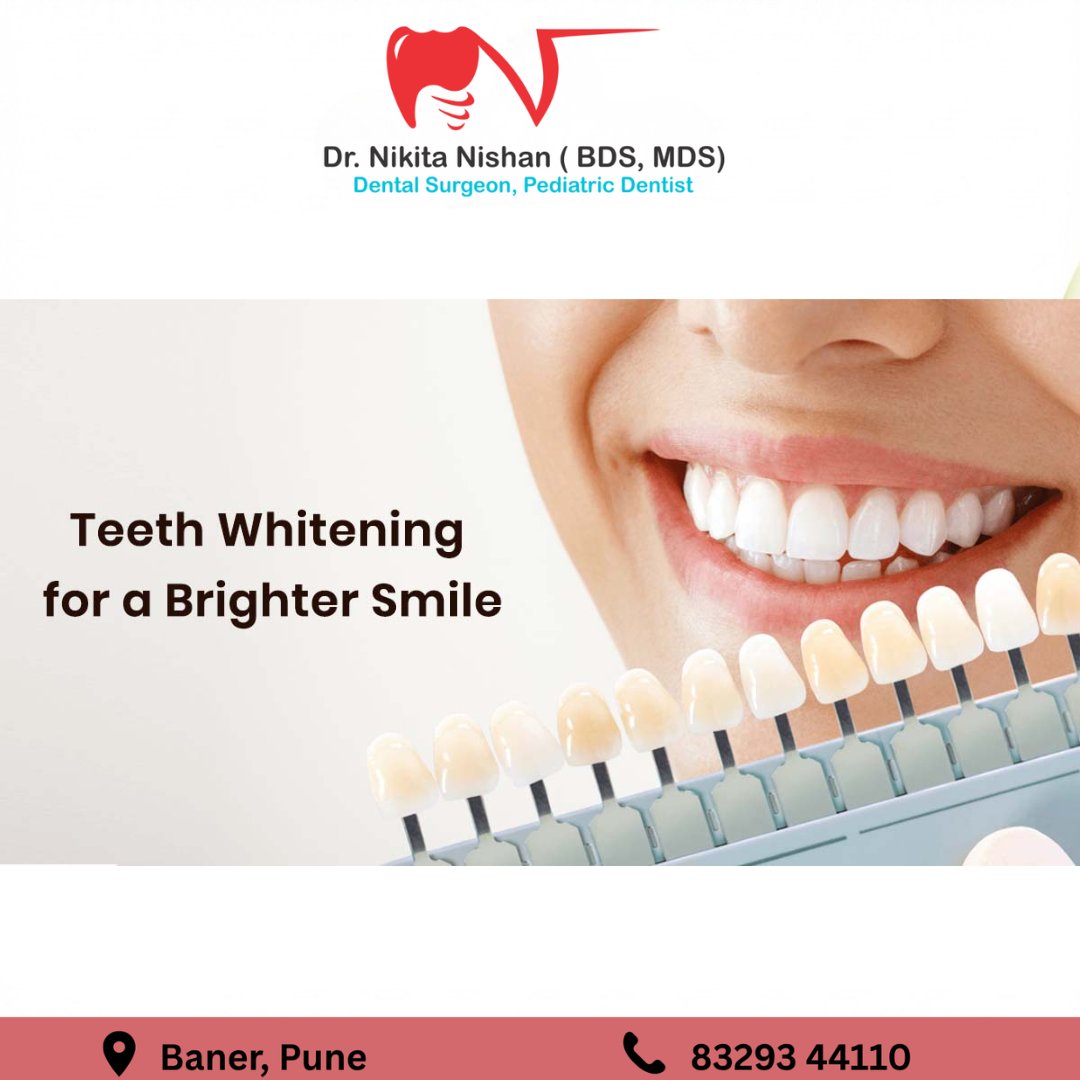
A bright smile can make a noticeable difference to your overall appearance, but teeth naturally change colour over time. Tea, coffee, certain foods, tobacco, ageing, and everyday habits can gradually make teeth appear yellow or dull. Professional teeth whitening performed by a Dentist in Baner is one option for people who want to reduce certain types of tooth staining and improve the brightness of their natural teeth.
Before choosing whitening treatment, it is important to understand why teeth become discoloured, which stains respond to whitening, and whether your teeth and gums are healthy enough for the procedure.
Why Do Teeth Lose Their Natural Brightness?
Tooth colour differs naturally from person to person. Even healthy teeth are not always completely white. Their appearance can also change gradually because the outer enamel is exposed to foods, drinks, and other substances every day.
Common reasons for discolouration include:
Regular tea or coffee consumption
Tobacco use
Certain strongly coloured foods and drinks
Age-related changes
Plaque and tartar buildup
Some medicines
Previous dental injuries
Changes within the tooth
Inadequate oral hygiene
Finding the cause of discolouration is useful because not every type of staining responds to the same treatment.
Surface Stains and Internal Discolouration Are Different
Dentists generally consider where the colour change is occurring before suggesting cosmetic treatment.
Surface Staining
These stains develop on the outside of the tooth. Coffee, tea, tobacco, and some foods can contribute to surface staining.
Some surface stains may improve significantly with professional dental cleaning. Others may benefit from whitening after the teeth and gums have been examined.
Internal Discolouration
Some colour changes occur deeper inside the tooth.
They may be related to dental trauma, ageing, tooth development, certain medications, or changes within an individual tooth.
These cases may not respond to standard whitening in the same way as ordinary surface staining. A dental assessment can help identify the appropriate approach.
Professional Cleaning and Teeth Whitening Are Not the Same
Patients sometimes use the terms cleaning and whitening interchangeably, but they are different procedures.
Professional dental cleaning removes plaque, tartar, and certain external stains from tooth surfaces. Teeth may appear cleaner afterward, but cleaning does not chemically change their natural shade.
Whitening uses specific whitening agents to lighten suitable tooth discolouration.
An examination at a Dental Clinic in Baner can help determine whether you need cleaning, whitening, another cosmetic procedure, or a combination based on the condition of your teeth.
Who May Consider Teeth Whitening?
Whitening may be considered by adults who have healthy teeth and gums but are unhappy with staining or gradual yellowing.
People commonly consider it before:
Weddings
Professional events
Family functions
Photoshoots
Important celebrations
Others simply want to improve staining that has developed over several years.
Whitening is a personal cosmetic choice rather than something every person needs.
Why Should Your Teeth Be Checked Before Whitening?
A dental examination before whitening is important because cosmetic concerns should not hide existing oral health problems.
The dentist may check for:
Cavities
Cracked teeth
Gum inflammation
Tooth sensitivity
Exposed roots
Existing crowns or veneers
Large fillings
For example, placing whitening products over an untreated cavity or exposed root may cause considerable sensitivity.
Treating active dental problems first can make the whitening process more appropriate and comfortable.
How Does Professional Teeth Whitening Work?
Professional whitening uses a whitening agent that interacts with stain-causing molecules within the teeth.
The exact procedure varies depending on the whitening system being used.
For an in-clinic treatment, the process may include:
Checking the teeth and gums
Recording the existing tooth shade
Protecting the surrounding soft tissues
Applying the whitening material
Monitoring the teeth during treatment
Removing the material after the required period
Reviewing the resulting shade
Some whitening plans may involve professionally supervised products used at home instead of, or in addition to, an in-clinic procedure.
A Dentist in Baner can explain which approach is suitable after assessing the type of discolouration and oral condition.
Will Teeth Whitening Make Every Tooth Perfectly White?
No. Whitening results vary considerably.
Your final tooth shade can depend on:
Original tooth colour
Type of staining
Depth of discolouration
Age
Enamel characteristics
Previous dental treatment
Whitening should therefore be viewed as a way to lighten suitable natural teeth rather than a guarantee of a particular shade.
A natural-looking improvement is usually a more realistic goal than trying to achieve an extremely white appearance.
What About Crowns, Veneers and Fillings?
This is an important consideration before whitening.
Dental restorations such as crowns, veneers, bridges, and tooth-coloured fillings generally do not whiten in the same way as natural teeth.
If restorations are visible when you smile, whitening the surrounding natural teeth could create a shade difference.
Your dentist can assess existing restorations and explain how they may affect the overall cosmetic result.
Can Teeth Become Sensitive After Whitening?
Temporary tooth sensitivity is one of the commonly reported effects of whitening.
Some people may notice brief sensitivity when consuming:
Cold water
Hot drinks
Cold air
Sweet foods
Sensitivity is often temporary, although individual experiences vary.
People who already have sensitive teeth should mention this before treatment. The dentist may modify the whitening approach or recommend appropriate sensitivity management.
How Long Do Whitening Results Last?
Teeth whitening is not permanent.
Your teeth remain exposed to foods, drinks, and everyday habits after treatment, so staining can gradually return.
How long the improvement remains noticeable depends partly on lifestyle.
Habits that can contribute to renewed staining include:
Frequent coffee consumption
Tea
Tobacco
Strongly pigmented foods
Inconsistent oral hygiene
Maintaining regular oral care can help preserve a cleaner appearance.
How Can You Maintain a Brighter Smile?
After whitening, simple habits can help limit new surface staining.
Brush Regularly
Brush twice daily using appropriate brushing technique and fluoride toothpaste.
Clean Between Your Teeth
Floss or another suitable interdental cleaning method helps remove plaque from areas a toothbrush cannot easily reach.
Rinse After Staining Drinks
Rinsing your mouth with water after coffee or tea can help reduce how long staining substances remain in contact with the teeth.
Avoid Tobacco
Smoking and other tobacco products can contribute significantly to tooth staining in addition to their wider oral and general health effects.
Continue Dental Check-Ups
Routine examinations allow cavities, gum problems, and other changes to be identified rather than focusing only on tooth appearance.
What About Whitening Products Bought Online?
Whitening toothpastes, strips, gels, and other products are widely available, but they vary in their ingredients and intended use.
A major problem with whitening without an examination is that a person may not know why a tooth is discoloured.
For example, one unusually dark tooth may require dental investigation rather than simply stronger whitening products.
Excessive or incorrect use of whitening products can also contribute to sensitivity or gum irritation.
Getting professional advice first is particularly useful when you have fillings, crowns, sensitive teeth, gum recession, or uneven tooth colour.
When Whitening May Not Be the Best Option
Whitening is not the answer to every cosmetic dental concern.
Another approach may need to be discussed when discolouration is related to:
Certain internal stains
Existing restorations
Significant enamel changes
Dental trauma
Severe uneven colour
Other structural problems
Depending on the diagnosis, alternatives may include bonding, veneers, crowns, or another appropriate dental treatment.
The purpose of an assessment at a Dental Clinic in Baner is to identify what is actually causing the appearance before selecting a procedure.
Frequently Asked Questions
Is professional teeth whitening painful?
The procedure itself is generally manageable, but some patients experience temporary tooth sensitivity or mild gum irritation afterward.
Does whitening damage tooth enamel?
Whitening should be carried out using appropriate products and techniques. A dental assessment helps determine whether whitening is suitable for your teeth before treatment begins.
Can yellow teeth become completely white?
Results depend on the original tooth colour and cause of staining. Whitening can lighten many types of discolouration, but it cannot guarantee an identical shade for every person.
Does whitening work on dental crowns?
Crowns and many other restorations do not respond to whitening agents like natural teeth. Existing restorations should therefore be considered when planning treatment.
Should I get my teeth cleaned before whitening?
That depends on your oral condition. Plaque, tartar, or surface staining may need to be addressed before cosmetic whitening is considered.
A Brighter Smile Starts With Understanding Your Teeth
Teeth whitening is most useful when the reason for discolouration is understood first. Sometimes professional cleaning may be enough to improve surface staining; in other situations, whitening or another cosmetic treatment may be more suitable. Healthy teeth and gums should remain the priority behind any change in smile appearance.
Want to know whether whitening is suitable for your teeth? Dr. Nishan's Dental Clinic in Baner can assess your tooth shade, staining, sensitivity, gums, and existing dental restorations before recommending the appropriate option. Book your dental consultation today and take the first step towards a cleaner, brighter-looking smile.