Daily Habits That Help Prevent Tooth Decay and Cavities
A cavity can begin with something as simple as plaque remaining on a tooth surface or frequent exposure to sugary foods. In the early stages, tooth decay may not cause noticeable pain, which is why everyday dental care and regular examinations are important.
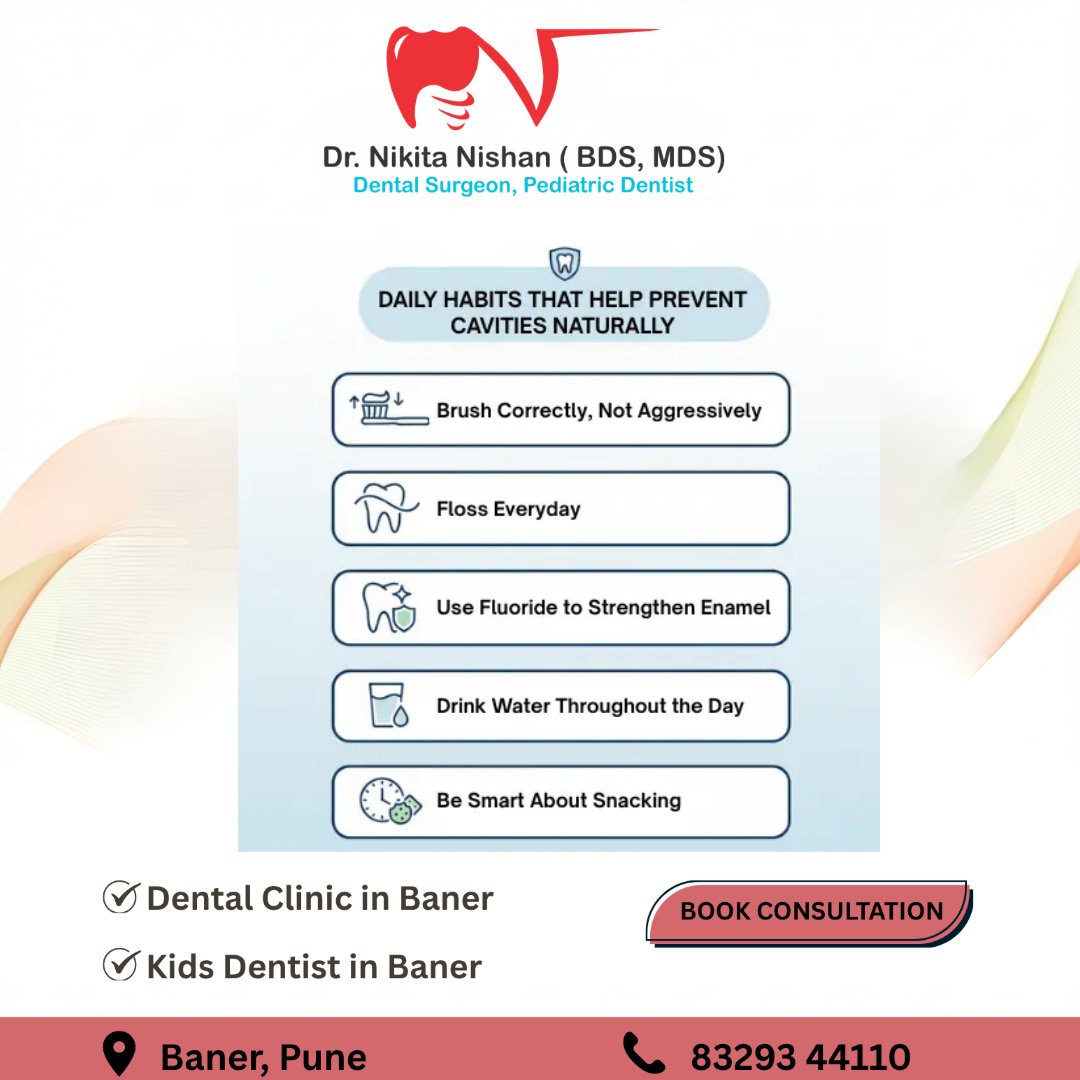
The good news is that cavity prevention does not require complicated routines. Brushing correctly, cleaning between your teeth, using fluoride toothpaste, choosing tooth-friendly foods, drinking enough water, and visiting a dentist when needed can all contribute to better oral health.
For people looking for a Dentist in Baner, understanding these preventive habits can help protect teeth between professional dental visits. Good oral hygiene is a daily process, and small habits followed consistently can make a meaningful difference.
What Causes Cavities and Tooth Decay?
Tooth decay develops when bacteria in dental plaque interact with sugars from food and drinks. This process produces acids that can gradually weaken tooth enamel. Repeated acid exposure may eventually lead to cavities.
Several factors can increase the risk of tooth decay, including:
Frequent consumption of sugary foods and drinks
Inadequate brushing
Plaque buildup
Not cleaning between teeth
Dry mouth
Limited fluoride exposure
Certain dietary or lifestyle habits
Irregular dental check-ups
Cavity prevention therefore involves more than simply brushing once or twice a day. It requires a combination of home care, healthy habits, and professional dental guidance.
1. Brush Your Teeth Twice a Day
Brushing twice a day is one of the most important steps in maintaining oral hygiene. Use a soft-bristled toothbrush and fluoride toothpaste unless your dentist recommends a different product.
Brush gently for about two minutes, making sure you clean:
The outer surfaces of the teeth
The inner surfaces
The chewing surfaces
Areas close to the gumline
Brushing harder does not necessarily mean cleaning better. Excessive pressure can irritate the gums and contribute to tooth wear. Gentle, thorough brushing is a better approach.
Remember to replace your toothbrush or toothbrush head when the bristles become worn.
2. Clean Between Your Teeth Every Day
A toothbrush cannot reach every surface between your teeth. Plaque can accumulate in these spaces and contribute to cavities and gum problems.
Daily interdental cleaning can help remove plaque from areas that brushing may miss. Depending on your teeth and gum condition, your dentist may recommend dental floss, interdental brushes, or another suitable method.
If plaque remains for a long time, it can harden into tartar. Tartar cannot be effectively removed through normal brushing and may require professional dental cleaning.
3. Use Fluoride to Strengthen Enamel
Fluoride plays an important role in cavity prevention because it helps strengthen tooth enamel and makes teeth more resistant to acid attacks.
For most people, brushing with fluoride toothpaste is an important part of daily oral care. The appropriate toothpaste and amount can vary for children depending on their age, so parents should follow dental guidance.
If you are unsure whether your current toothpaste or fluoride routine is appropriate, discuss it during a dental consultation.
4. Reduce Frequent Sugar Exposure
Sugar itself is not the only consideration. How often your teeth are exposed to sugary foods and drinks also matters.
When sugary foods are consumed frequently throughout the day, bacteria have repeated opportunities to produce acids that affect tooth enamel.
To support better dental health:
Limit frequent sugary snacks
Reduce sugar-sweetened beverages
Avoid continuously sipping sweetened drinks
Choose balanced meals
Drink water between meals
Maintain regular brushing
The goal is to develop a sustainable eating pattern rather than completely avoiding every food that contains sugar.
5. Drink More Water
Water is a simple choice that can support everyday oral health. It helps maintain hydration and can help clear some food particles from the mouth.
Choosing water instead of frequently consuming soft drinks, sweetened juices, or other sugary beverages can reduce repeated sugar exposure.
If you regularly experience dry mouth, speak with a dentist or healthcare professional. Reduced saliva can increase the risk of tooth decay and other oral problems.
6. Do Not Ignore Tooth Sensitivity
Tooth sensitivity does not always mean you have a cavity, but persistent sensitivity deserves attention.
You may notice discomfort when consuming:
Very cold foods or drinks
Hot foods or drinks
Sweet foods
Acidic foods
Sensitivity can have different causes, including enamel wear, gum recession, exposed tooth surfaces, or dental decay. A professional examination can help identify the underlying cause instead of relying on assumptions.
7. Pay Attention to Early Signs of Cavities
Cavities do not always cause obvious pain in their early stages. Changes in your teeth should therefore not be ignored.
Possible signs include:
White, brown, or dark spots on teeth
A visible hole or pit
Persistent toothache
Sensitivity
Pain while chewing
Food repeatedly getting stuck around one tooth
Swelling around the affected area
These symptoms can have different causes, so professional evaluation is important before deciding on treatment.
8. Maintain Regular Dental Check-Ups
Good home care is essential, but it does not replace professional dental examinations.
During a dental check-up, the dentist can examine your teeth and gums and look for signs of decay, gum problems, worn teeth, or other concerns. Professional cleaning may also be recommended when plaque and tartar have accumulated.
The frequency of dental visits is not identical for everyone. Your dentist may recommend a schedule based on your oral health, dental history, age, and individual risk factors.
A Dental Clinic in Baner can also provide personalised guidance on preventive care and help you understand which habits are most suitable for your dental needs.
9. Take Children's Dental Care Seriously
Cavity prevention should begin early. Baby teeth can also develop decay, and keeping them healthy is important for a child's comfort, eating, speech, and developing dentition.
Parents can help children by:
Supervising brushing
Using age-appropriate fluoride toothpaste
Limiting frequent sugary snacks
Offering water regularly
Scheduling appropriate dental check-ups
Teaching children why oral hygiene matters
Children may need help with brushing until they have developed sufficient coordination to clean their teeth properly.
When Should You Visit a Dentist?
You do not have to wait until severe pain develops before seeing a dentist.
A dental appointment may be appropriate if you notice persistent sensitivity, tooth pain, visible changes, swollen gums, bleeding, a broken tooth, or discomfort while chewing.
A check-up can also be useful when there are no symptoms. Preventive examinations allow dental professionals to monitor oral health and provide guidance before minor concerns become more complicated.
Preventive Dental Care at Dr. Nishan's Dental Clinic
Dr. Nishan's Dental Clinic in Baner provides dental care for patients with different oral health needs, including preventive and general dental care. The clinic also provides pediatric dental care, making professional guidance available for families looking after children's developing teeth.
For someone searching for a Dentist in Baner, choosing a dental professional should involve more than location. Qualifications, experience, communication, preventive approach, and the services relevant to your needs are all useful factors to consider.
A consultation can help determine the condition of your teeth and gums and whether you need routine monitoring, professional cleaning, restorative treatment, or other dental care.
Frequently Asked Questions
How can I prevent cavities naturally?
Daily brushing with fluoride toothpaste, cleaning between the teeth, limiting frequent sugar exposure, drinking water, and maintaining regular dental check-ups can help reduce the risk of cavities.
Is brushing twice a day enough?
Brushing twice daily is important, but it should be combined with cleaning between the teeth and other preventive habits for more complete oral care.
Can cavities develop without pain?
Yes. Tooth decay may not cause noticeable symptoms during its early stages. Regular dental examinations can help identify problems that may not yet be causing discomfort.
How often should I visit a dental clinic?
The recommended frequency varies according to individual oral health and risk factors. Your dentist can suggest an appropriate schedule based on your needs.
Making Cavity Prevention Part of Everyday Life
Healthy teeth are supported by habits that are repeated every day, not just by treatment when a problem appears. Brushing correctly, cleaning between teeth, using fluoride, limiting frequent sugar exposure, drinking water, and attending dental check-ups can all contribute to better long-term oral health.
At Dr. Nishan's Dental Clinic, patients in Baner can discuss their dental concerns and preventive care needs with a dental professional. Taking care of small oral health habits today can help reduce avoidable dental problems and make maintaining a healthy smile a more manageable part of everyday life.